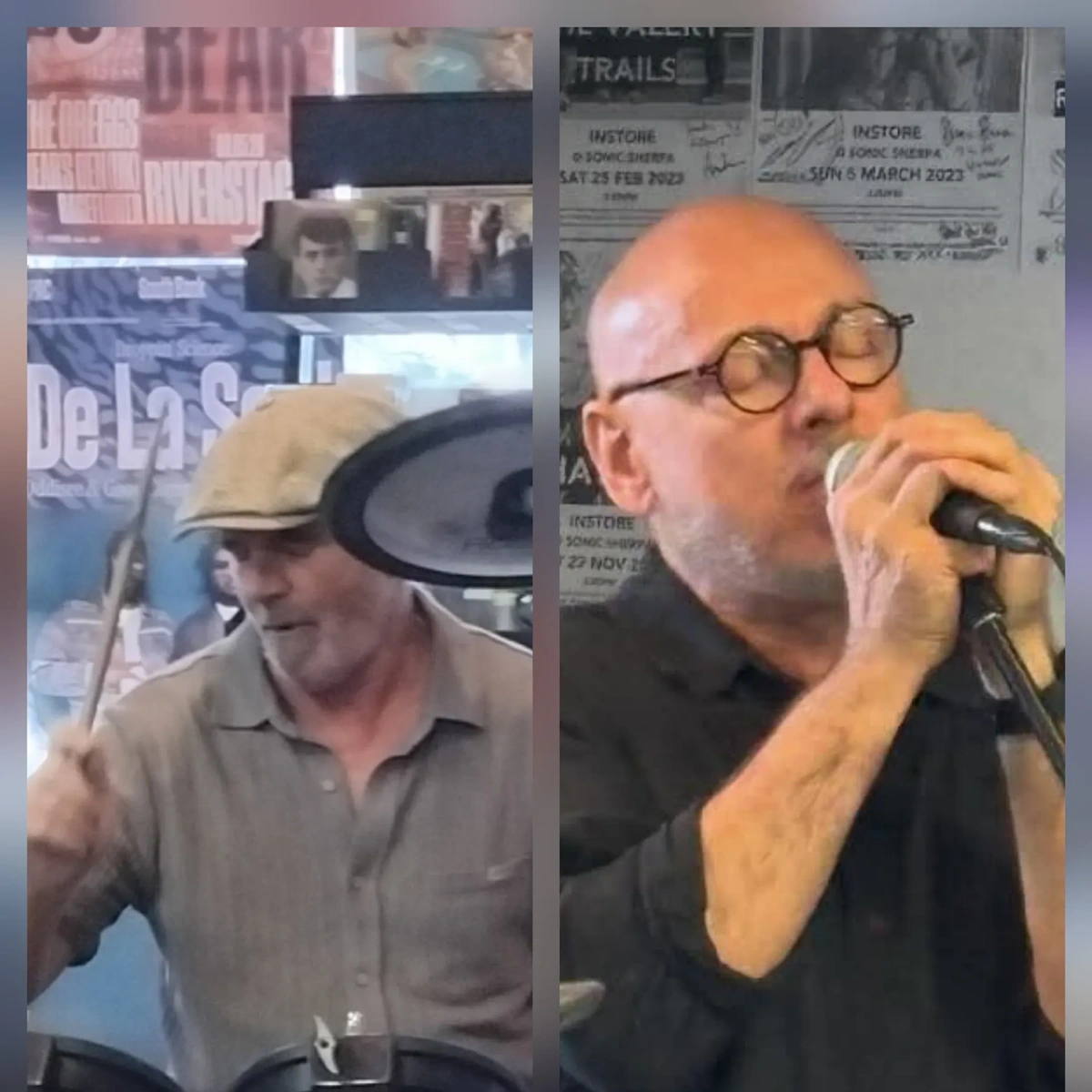


Maicol Cavestro Lands the Hook on Accetto Chi Sono, Then Hands the Second Chorus to Spoken Word
Released From Verona on 7 August, with A Premio Social Already Behind It
The hook on Accetto chi sono does the thing good pop hooks do: it states the whole argument in one line. Maicol Cavestro released the single on 7 August 2026. The title translates as “I accept who I am”, which is exactly what the song is about. The Verona songwriter works in Italian pop cantautorale. This is the most direct thing he has put out.
You can listen to our full playlist which contains the artist’s music, and know more about the artist’s work by scrolling down the page.

The Wave This Single Is Riding, And Where Cavestro Fits Into It
Self-acceptance has become one of the most reliable subjects in European pop. Most of it is written in the same register: big chorus, uplift, resolution. Cavestro takes a narrower route.
The song is built around a specific moment rather than a general feeling. It is about the point where a person stops living through other people’s eyes. They decide to be visible without hiding. That is a smaller and more usable idea than “be yourself”. It gives the lyric something to describe rather than something to assert.
The arrangement follows suit. This is straightforward singer-songwriter pop, melodic and unhurried. The vocal carries the weight. Cavestro’s Italian is plain rather than poetic. That matters here. The more literary the language gets, the less it sounds like someone actually saying it.
The single is also short on ornament. There is no guest feature, no genre pivot, no attempt to chase a trend outside his own lane. Everything is pointed at the lyric. That restraint is part of why the spoken section registers so clearly when it finally arrives, because nothing else in the arrangement is competing for the same attention.

The Spoken Passage, The Adjacent Acts, And What Accetto Chi Sono Has Already Won
Then comes the part that separates it from the rest of the wave. Partway through, the track drops into spoken word. Cavestro speaks rather than sings. The register shift does what a key change usually does, only in reverse. Where a key change lifts, this pulls in close.
In his own words: “With ‘Accetto chi sono,’ I wanted to create more than just a song; I aimed for a complete artistic statement about identity. The spoken word element, in particular, was crucial for adding that intimate, almost conversational layer, inviting listeners to reflect on their own journey toward self-acceptance.”
That is a fair account of what the passage does. It is also why the single earns a listen even if the theme is familiar. The idea is not new. Putting a plain spoken passage where the second chorus would normally sit is a real structural choice.


For listeners placing him: this sits in the Italian cantautore pop tradition. There, the song is a vehicle for a first-person account rather than for production. Anyone who follows that lane will recognise the approach at once. Think the confessional end of Tiziano Ferro’s catalogue, through to the current generation of Italian singer-songwriters. It is closer to storytelling pop than to anything built for a club.
Italy has a deep singer-songwriter lineage. It rewards plain speech over spectacle. That is the room Cavestro is writing into, and he writes into it without decoration.
The video extends the same idea. It is built visually around the move from self-denial to acceptance. The clip illustrates the song’s structure rather than decorating it. That is unusual enough in independent pop to be worth noting. It suggests the single was planned as a piece rather than assembled around a finished track.
That choice also gives the song a second life on video platforms. A clip that dramatises the lyric, rather than simply setting a mood behind it, gives a viewer a reason to stay past the first chorus. For an independent release working without radio behind it, that is a practical advantage rather than an artistic flourish.
The song also has recognition behind it already. Cavestro presented it at the Festival Internazionale “Voci dal Mediterraneo” in Petrosino. He received the Premio Social there. That is a public-vote style award rather than a chart placement. For a song about being seen without hiding, an audience prize is arguably the more fitting result.
The prize also says something about how the song plays live. Voci dal Mediterraneo is a festival room rather than a streaming dashboard. A crowd voting for a song about being seen without hiding is a different kind of signal from an algorithm serving it to someone.
His profile backs that up. He describes himself simply as an Italian pop cantautore writing original songs and true stories. He has built an audience of around eighteen thousand followers on Instagram alone. That is a working independent artist rather than an unknown. It puts Accetto chi sono in front of a real listenership from day one.
Verona is not a major label hub. Releasing from there means the song has to travel on its own terms, and this one is built to.
For readers who track Italian pop from outside Italy, this is a useful entry point. The language is accessible and the theme travels. The spoken passage gives the song a shape that carries even if you are not following every word.
Listeners can stream Accetto chi sono on Spotify, watch the official video, and find the release on Amazon Music. Cavestro posts across Instagram, where he shares the stories behind the songs.


























About Author