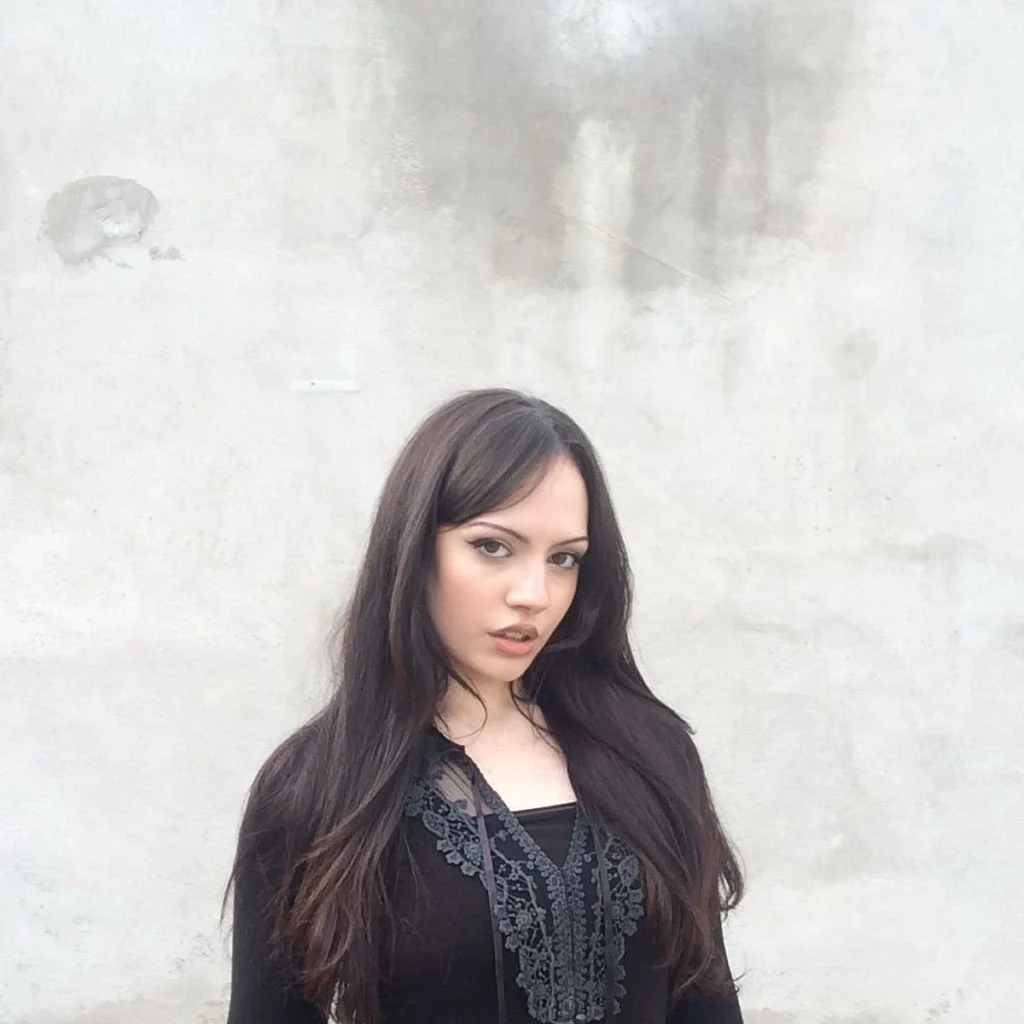
Avyne Built Cant Tell Whats Real in a Bedroom and Made It Sound Enormous
Sixteen Months on, the Dream Pop Single Still Trades on Width and Dissociation
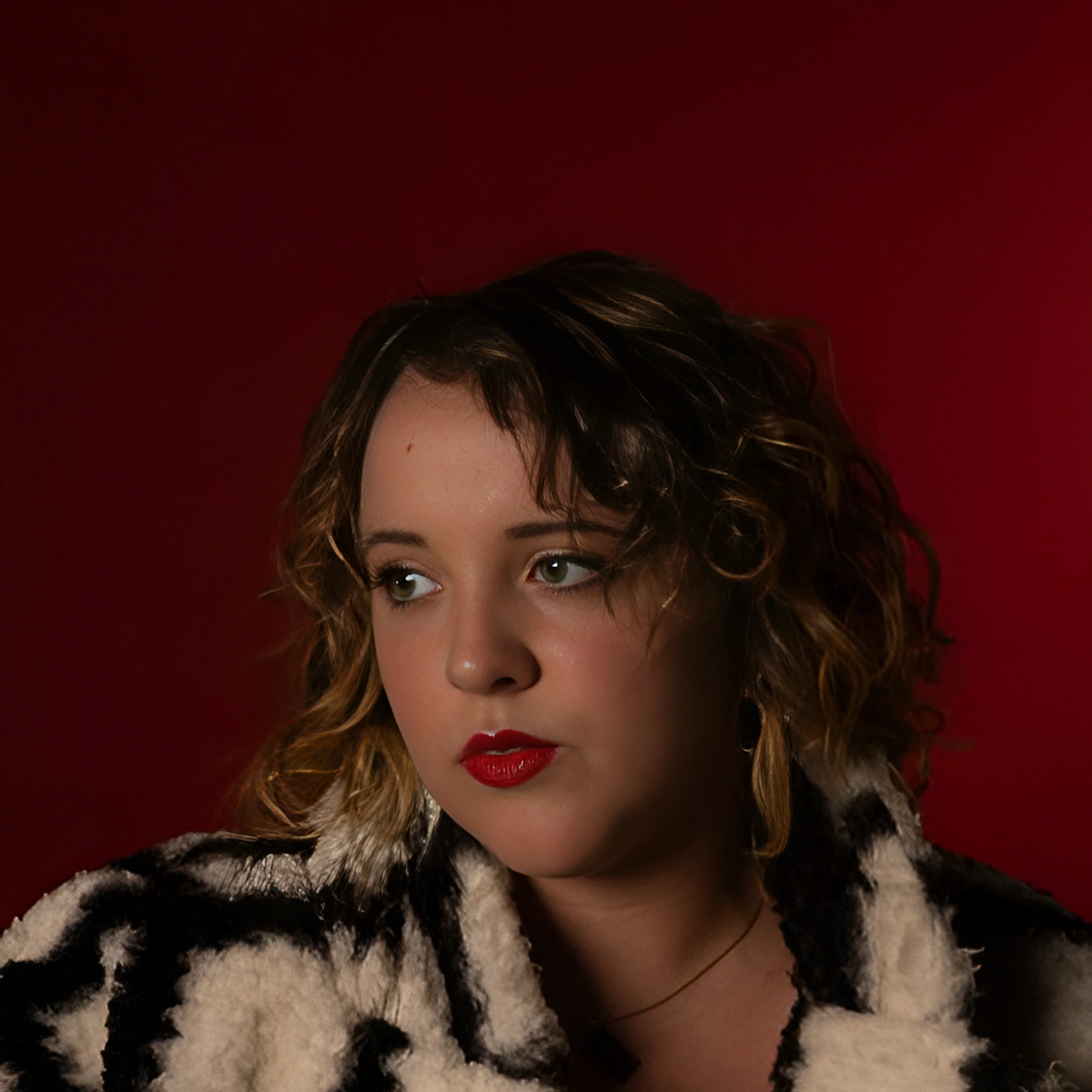
Avyne recorded cant tell whats real in her bedroom. Then she spent the mix making it sound like anything but. Layered vocals, hard panning and a wash of reverb-soaked guitar push the single out to the edges of the stereo field. That is the design. Avyne released the track on 3 May 2025, and sixteen months later it is still finding listeners.
Avyne’s Can’t Tell What’s Real runs through the playlist below, and the rest of what this network has published sits on the artist profile. The single was certified by PopHits.Co Music Charts, the programme that verifies independent artists and places their releases across its network of music news desks. Hit play, and let the reading wait a minute.


Avyne Engineered a Bedroom Recording To Sound as Wide as Possible
Plenty of artists record at home. Fewer are as direct about what they were chasing. Avyne has described her aim as making “everything sound as wide as possible”. She got there through “lots of panning, vocal layering & modulation wherever possible”. The finished single is, in her own words, “spacey, grand and polished”.
That combination is harder to pull off than it sounds. Width is easy to fake and easy to overdo. Most bedroom dream pop ends up either thin or smeared. cant tell whats real avoids both traps. The guitars carry the reverb. The vocal stack carries the melody. Panning keeps the two from competing for the same space.
Her affection for the tools is refreshingly plain. “I love the specific dreamy & distorted guitar sounds,” she has said, and, more simply, “I love reverb.” That is not a throwaway line. Reverb is the architecture here rather than a finishing polish, and treating it that way is what separates this from a demo.
She has also called her bedroom “a weird multifaceted isolated place” where she has “experienced and analyzed every single emotion”. A record made in that setting was never going to sound like a studio product. The single is better for it.

Dissociation and Perception Give the Track Something Firmer Than Atmosphere
Dream pop has a long habit of gesturing at feeling without naming it. This single does the opposite. That is the reason it holds up on repeat listens.
Avyne has been explicit about the subject. “I think this song is my attempt at expressing a specific state of dissociation I sometimes find myself in,” she has said. Once you know that, the mix reads differently. The blurred edges are not decoration. The vocal sitting slightly back in the field is not shyness. Both describe something particular about how perception goes soft.
She stops short of prescribing a reading, though. “I don’t actively look for a specific emotion,” she has said. “I like when people make up their own perspectives and tie them into personal life experiences.” That leaves the song open without leaving it vague. It is a difficult balance, and a lot of the genre gets it wrong in the other direction.
Her wider reference points sit outside music entirely. Avyne has described a long-standing interest in imagery and storytelling, drawing on cinema, photography and fashion. It shows in how the track is framed rather than in any single sound.


Chromatics and Slowdive Are the Influences She Names Herself
Most comparison-drawing is guesswork. Here the artist has done it for us, naming Chromatics and Slowdive as influences directly.
Both fit, and they pull in usefully different directions. Chromatics built a catalogue on synths that glow rather than punch. Vocals sat as one more layer in the arrangement instead of a spotlight. That approach runs right through cant tell whats real, especially in how the synth parts sit under the guitars rather than on top of them.
Slowdive is the guitar half of the equation. Their records made distortion a soft object, something to sink into rather than push against. Avyne’s washed-out tone shares that instinct exactly. The shoegaze inheritance is obvious, but it is applied to a pop structure rather than an eight-minute drift.
The single earned a feature from The Interviewist in November 2025. Much of what she says above came from that conversation.
PopHits.News curator team: “What keeps cant tell whats real on our list is that the width is doing narrative work. Most dream pop uses reverb as a mood setting. Avyne uses it to describe a specific mental state, and once you hear it that way the track stops being wallpaper.”
Where To Hear Cant Tell Whats Real and Follow Avyne Across Streaming Platforms
cant tell whats real is streaming now, and the wider catalogue is worth the time if this one lands. You can play it on Spotify or Apple Music, buy directly on Bandcamp, and listen on SoundCloud.
For new work and the visual side of the project, follow Avyne on Instagram, TikTok and X. Her YouTube channel collects the videos, and her Linktree gathers every option in one place.





















About Author