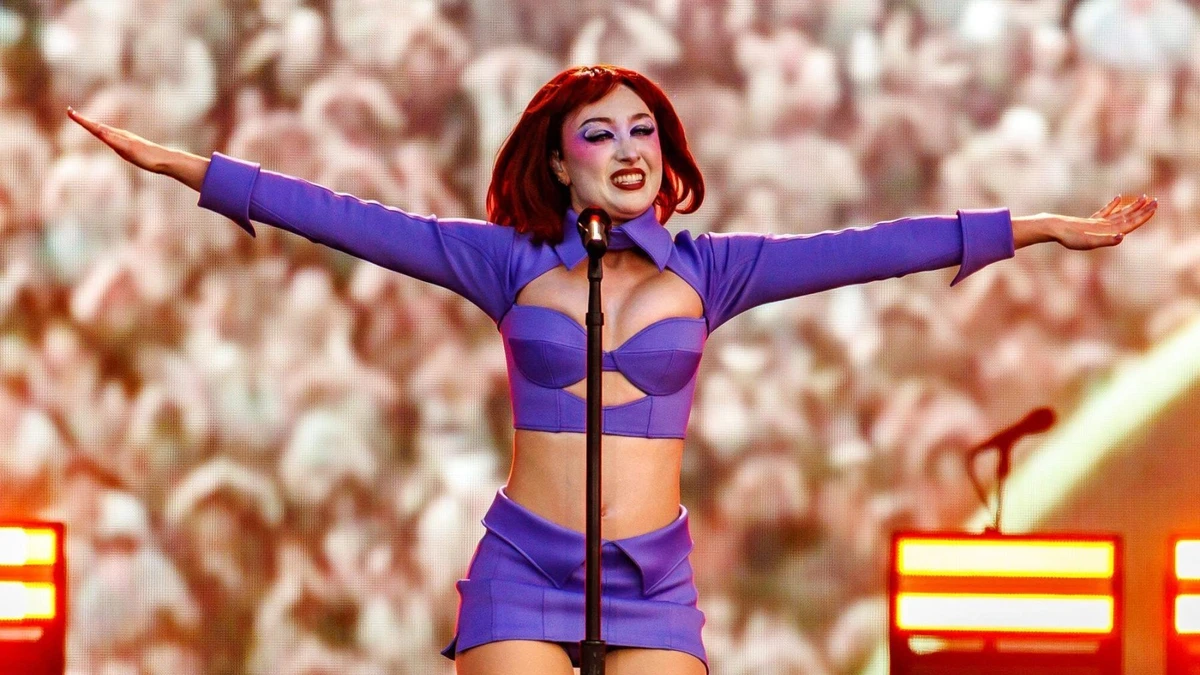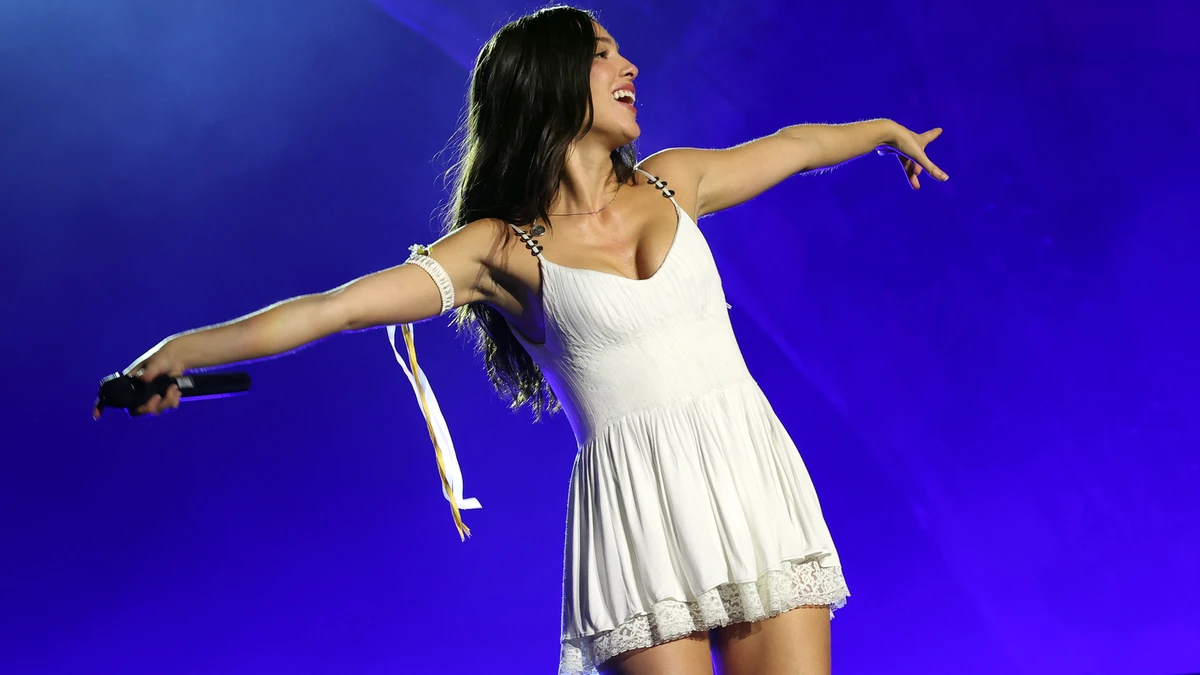

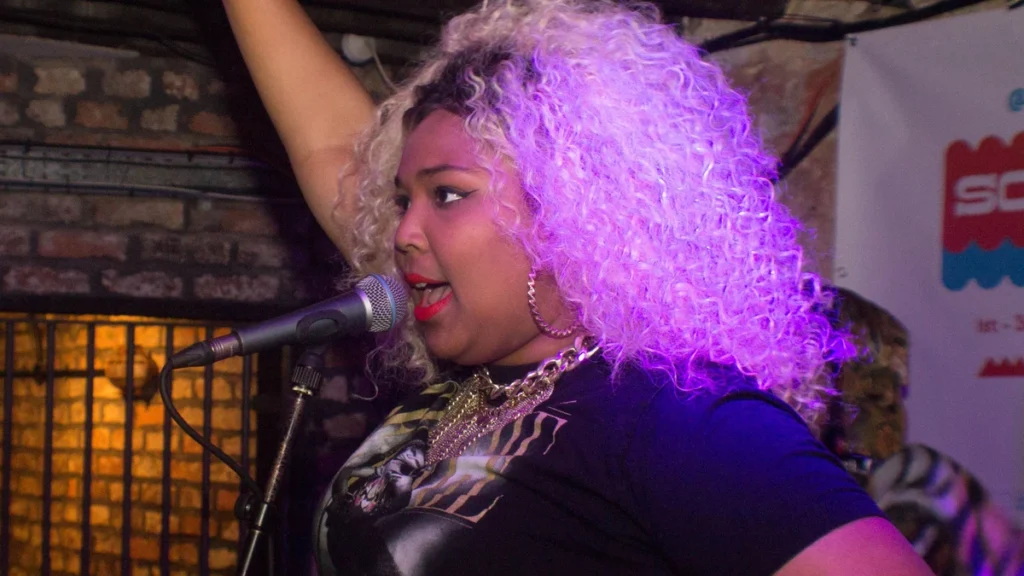
Lizzo | PopHits.News | Photo: Lennon Photography (CC BY 2.0) via Wikimedia Commons
From ‘Good as Hell’ to Courtroom Battles
For a time, Lizzo was more than a musician; she embodied a cultural movement. She burst into the mainstream with the sleeper hit “Truth Hurts” and the anthemic “Good as Hell”. Lizzo built an empire on radical self-love, body positivity, and infectious joy. Her music, a vibrant blend of pop, hip-hop, and soul, earned critical acclaim, commercial success, and multiple Grammy Awards. Her brand seemed impeccable and unassailable. Lizzo didn’t just sing about empowerment; she lived it. She championed inclusivity and created spaces for those marginalized by mainstream beauty and entertainment standards. Her public persona peaked with her album Special and its lead single, “About Damn Time”. These hits solidified her status as a global superstar. However, the first reports of the Lizzo lawsuit emerged in August 2023. This news shook the foundation of her carefully crafted image, presenting a stark contrast to her public message.
The Allegations: A Detailed Breakdown of the Lizzo Lawsuit
Three of Lizzo’s former backup dancers—Arianna Davis, Crystal Williams, and Noelle Rodriguez—filed the bombshell lawsuit in Los Angeles Superior Court. The legal complaint names Lizzo (born Melissa Jefferson) as a defendant. It also names her production company Big Grrrl Big Touring, Inc., and her dance team captain, Shirlene Quigley. These extensive and severe allegations created a firestorm of media attention and public debate.
The Lizzo lawsuit centers on accusations of a hostile work environment, sexual harassment, and fat-shaming—all contrary to Lizzo’s brand. The lawsuit details a pattern of alleged misconduct, including:
- Sexual harassment, including pressuring dancers to engage with nude performers.
- Hostile work environment.
- Disability discrimination and fat-shaming, with comments on dancers’ weight.
- Racial and religious harassment, targeting dance captain Shirlene Quigley.
One widely reported incident allegedly occurred after a concert during The Special Tour in Amsterdam. The lawsuit claims Lizzo pressured her dancers to attend a show at Bananenbar, the city’s notorious red-light district club. She allegedly encouraged them to engage with nude performers in an uncomfortable and sexually charged manner. Arianna Davis alleges she was pressured into touching one of the nude performers against her will.
Beyond that single event, the suit details a pattern of alleged misconduct. The plaintiffs accuse Lizzo of disability discrimination and fat-shaming. Arianna Davis claims that after gaining weight, Lizzo’s team treated her differently. Davis also felt she had to disclose personal health issues to keep her job. The suit alleges Lizzo and her team commented on the dancers’ weight. This is particularly damning because her reality show, Lizzo’s Watch Out for the Big Grrrls, won an Emmy Award and promoted dancers of all sizes. The lawsuit also includes claims of racial and religious harassment. Some allegations target dance captain Shirlene Quigley, stating she proselytized and shamed dancers for their personal lives.
Lizzo’s Response and the Public Fallout
As the news broke, the public and media awaited a response. A few days after the dancers filed the lawsuit, Lizzo took to Instagram to address the allegations head-on. She vehemently denied the claims, calling them “false,” “unbelievable,” and “outrageous.” She framed the lawsuit as the work of disgruntled former employees. She noted they had already been told their behavior on tour was “inappropriate and unprofessional.”
“These sensationalized stories are coming from former employees who have already publicly admitted that they were told their behavior on tour was inappropriate and unprofessional,” she wrote. She added, “I am not the villain that people and the media have portrayed me to be these last few days.”
Her statement did little to quell the controversy. While her most ardent fans stood by her, many others felt betrayed. The cognitive dissonance was palpable: how could the artist who sang “Special”—a song about seeing the light in oneself—allegedly create such a dark, toxic environment for her own team? The legal team representing the dancers responded swiftly. Their lawyer, Ron Zambrano, stated that Lizzo’s denial only intensified the plaintiffs’ emotional distress. The situation worsened for Lizzo. Other former collaborators, including a former creative director and other dancers, came forward. Outlets like Variety reported that they echoed the lawsuit’s claims of a difficult work environment.
Career in Crisis: Canceled Gigs and Brand Damage
The Lizzo lawsuit brought immediate and severe professional repercussions. The damage wasn’t just reputational; it hit her career hard. Shortly after the news broke, reports surfaced, notably in The Guardian. These indicated that officials were no longer considering her for the coveted Super Bowl halftime show performance—a career pinnacle for any pop artist. The NFL never officially confirmed this, but the timing of these leaks was telling.
Soon after, Lizzo pulled out of her headlining slot at the Made in America Festival. No official reason tied the cancellation to the lawsuit, but the timing made it impossible for the public to separate the two events. The most significant blow has been to her brand. Lizzo had lucrative partnerships, including her shapewear line Yitty. This line builds on the same principles of inclusivity and body positivity that people are now questioning. Organizations that had once celebrated her also began to distance themselves. The Human Rights Campaign, a prominent LGBTQ+ advocacy group, postponed an award they planned to give her. They stated they needed to see how the situation unfolded.
The entire episode serves as a case study in modern celebrity crises. An artist’s personal brand and commercial value often link inextricably to a specific moral or ethical stance. When this happens, any contradictory action can be catastrophic. For Lizzo, the allegations struck at the very heart of what made her a star. This left her in a precarious position with an uncertain path forward.
The Path Forward: Can Lizzo’s Career Recover?
Months after the initial explosion, the Lizzo lawsuit continues its slow journey through the legal system. In early 2024, a judge denied Lizzo’s motion to dismiss the case. This allowed most claims to proceed to trial. This means the saga is far from over and will likely continue to generate headlines.
In the interim, Lizzo has made cautious steps back into the public eye. She has maintained a presence on social media. She also made a high-profile appearance at the Met Gala, a sign she is not retreating entirely from the spotlight. However, the landscape has irrevocably changed. Scrutiny and skepticism have replaced unbridled adoration. Audiences will view any future music, tour, or public statement through the lens of this controversy.
Can her career recover? Popular music history features many artists who have weathered scandals. Yet, few have faced such a direct challenge to their brand from the nature of the allegations. Several factors will determine her recovery path. These include the lawsuit’s ultimate legal outcome and her strategic response in the court of public opinion. Recovery also depends on whether audiences are willing to separate the art from the artist, or in this case, from the allegations. The Lizzo lawsuit has become a landmark moment in the music industry. It raises critical questions about accountability, workplace standards, and the fragile nature of a public persona in the digital age.
The legal and public relations battle has put the artist at a significant turning point. It places Lizzo’s career at a crossroads as she navigates intense public scrutiny.
Explore the Future of Music with MW3.biz
The music industry is constantly evolving, with artist careers facing new challenges and opportunities every day. At MW3.biz, we build tools and platforms that empower creators and provide transparent insights into the world of music. We design our resources for you, whether you’re an artist navigating your career, a manager tracking trends, or a fan who loves to stay informed. Explore our platform today to see how we’re shaping the future of the music business.
About Author