
Rayguncarver Everywhere You Go Is Where Youll Be Hangs Its Hook on a Home Vocal Take
Why a Home-Recorded Port Angeles Single Still Pulls Its Weight Three Years On
The hook arrives early and it does not oversell itself. everywhere you go is where youll be opens on a dreamy folk melody, settles into a mellow groove, and by the first chorus rayguncarver has told you what kind of record this is. Rayguncarver everywhere you go is where youll be came out on 15 May 2023. It is back in front of listeners now, and it holds up.
Everything these desks have filed on rayguncarver is indexed on the profile kept for the artist, and the track itself sits in the playlist below. Everywhere You Go Is Where You’ll Be was cleared for this site by PopHits.Co Music Charts, a certification programme that verifies independent artists and places their releases across its network of music news titles. Listen to the whole thing, then read on below.

Why the Room Matters on Rayguncarver Everywhere You Go Is Where Youll Be
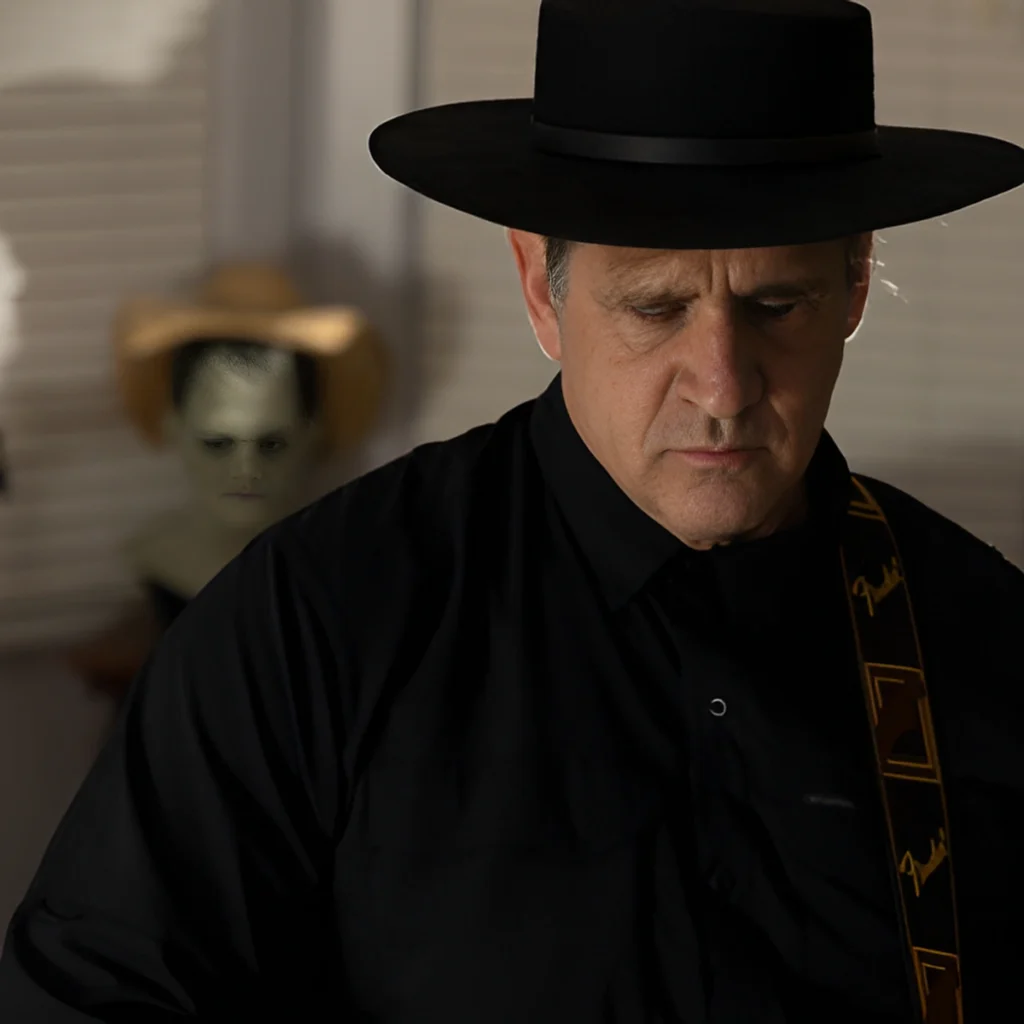
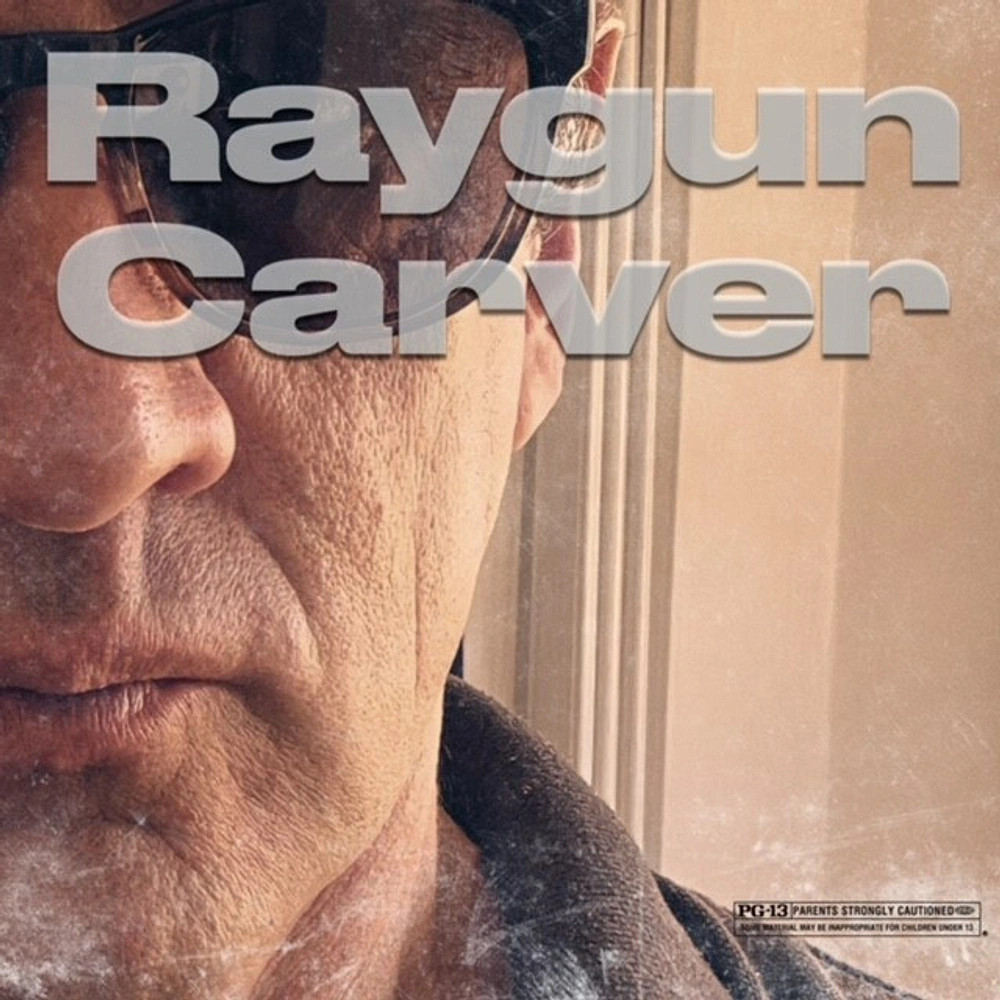
Behind the name is Michael Soiseth, a songwriter working out of Port Angeles on the Washington coast. The track sits where Acoustic Rock, Alt-Folk and Americana overlap. It plays on the old line about wherever you go, there you are.
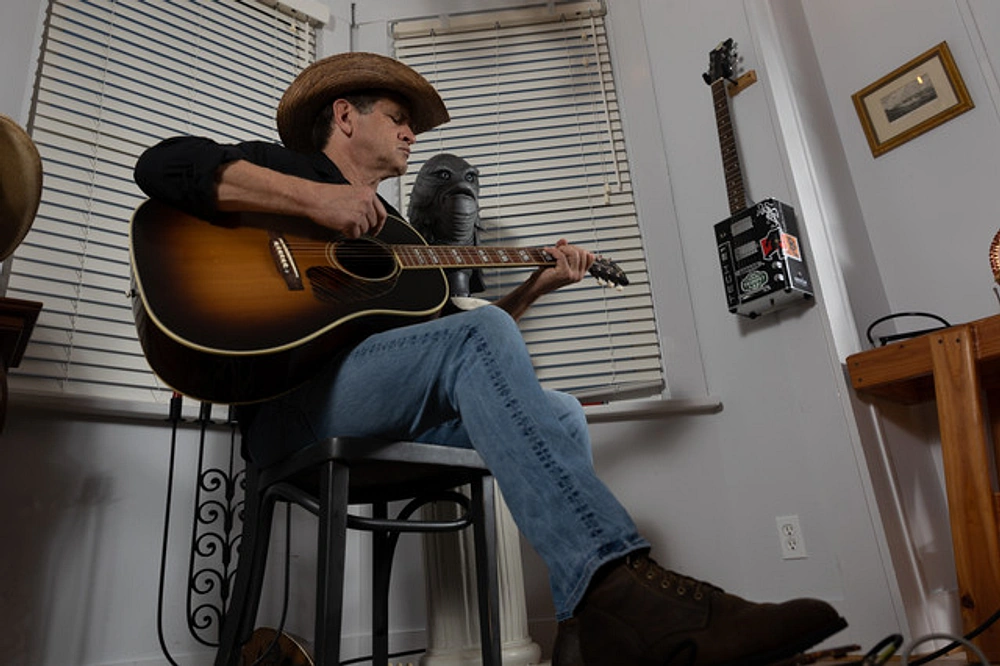
Here is the part worth knowing. Carver cut the vocals and guitars himself, at home. The drums and the production came from elsewhere. Robert Wollam recorded them and produced the record from his studio in Smith River, California.
That split shows in the finished track, and it works in the artist’s favour. The vocal has the closeness of a room take, raspy and unhurried. None of the polish that flattens a singer into a demo survives. Around it sits an arrangement that clearly had professional hands on it. Bluesy electric guitar licks answer the vocal line rather than crowd it. The groove stays jazzy and slightly loose. Nothing rushes.

The Players, the Album Behind It and Why the Chorus Still Works
The players are not filler either. Keyboardist Phil Madeira, long associated with Emmylou Harris’s band, appears on the record. Drummer Jamie Wollam, who has worked with Tears for Fears, handles the kit. That is a serious rhythm section attached to a home vocal take, and the contrast is the whole point.
The result is a track with a fluid, well-balanced structure and subtle dynamic changes that follow the lyric rather than fight it. The chorus hooks without shouting. Three years on it still has replay value, which is a fair test of any single.
The single also served a purpose beyond itself. It teased Devil in the Details, the album that followed, so it had to work twice: once as a standalone release and once as a signpost. Plenty of lead singles manage only the first job. This one carried both, which is part of why it survives a second look rather than reading as an artefact.

The Wave This Sits In and the Adjacent Acts Worth Naming
There is a broader pattern here. A generation of songwriters now records the intimate half of a record at home and hires seasoned players for the rest. It used to be a compromise. It is now a working method, and it is why so much current Americana sounds both close-miked and properly arranged.
The economics explain the shift. Home capture removes the clock from the vocal, which is where a songwriter needs time most. Meanwhile a hired rhythm section brings decades of feel that no amount of editing manufactures. This single is a clean example of the trade paying off.
For listeners, the adjacent shelf is easy to name. Damien Jurado is the nearest neighbour geographically and tonally, another Pacific Northwest writer who trades on restraint and a voice recorded close. Iron & Wine is the reference for the hushed, guitar-first delivery. Josh Ritter is the one for narrative songwriting that stays melodic instead of turning into a lecture. None of that makes Carver a copyist. It marks out the shelf.
The press response backed it up at the time. Mesmerized called it an Americana gem, and Rock Era Magazine went through the arrangement in detail. Carver has also pointed to influences that explain the record’s mood, including the rubber-hose cartoons of the 1930s and the gypsy-jazz end of the Klezmer tradition. That is an unusual set of reference points for an Americana single, and it accounts for the theatrical edge under the folk exterior.
Where to Hear Rayguncarver Everywhere You Go Is Where Youll Be
The listener this suits is the one who reads liner notes. If you follow a record back to who played on it, this single rewards the habit. If you simply want a well-built chorus with a guitar answering the vocal, it works on that level too, which is the harder trick.
Find the catalogue on Apple Music, SoundCloud and the artist’s YouTube channel. Follow along on Facebook and Instagram.

























About Author