


Giuseppe Cucè Lands the Hook on 21 Grammi with Three Words: Dimmi Cosa Vuoi
A Catania Songwriter Built Nine Tracks on Questions, Latin Swing and One Gram of Heart
Three words carry the chorus: dimmi cosa vuoi, tell me what you want. Giuseppe Cucè repeats them on the third track of 21 grammi, the album he released on 20 June 2025. The repetition does the work, turning a request into something softer. That small shift in tone is how the whole record operates.
Giuseppe Cucè’s È tutto così vero sits in the playlist below, and his full run of coverage lives on his artist profile. 21 grammi reached PopHits.News through PopHits.Co Music Charts, which verifies independent artists and places their releases across its network of music news sites. Hit play on the opener, then read on for how the hook works.

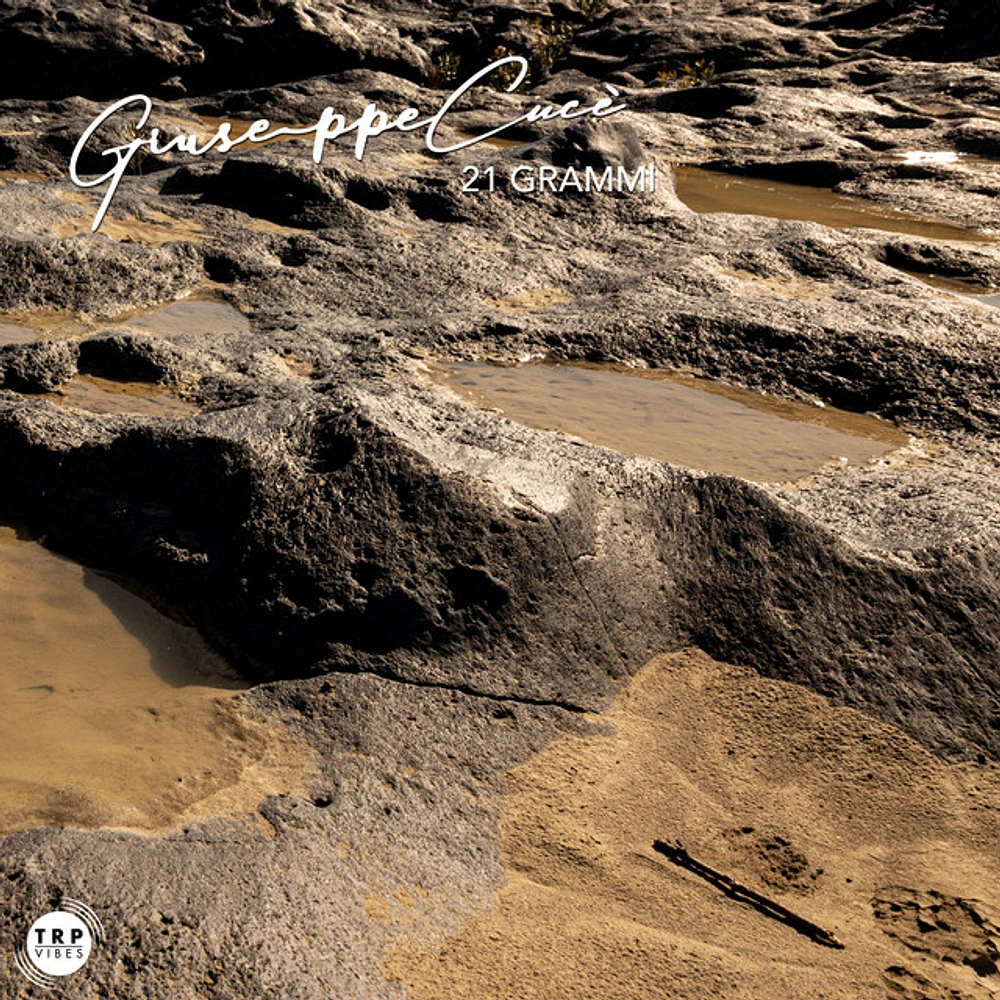
How Giuseppe Cucè Turns Dimmi Cosa Vuoi Into the Hook of 21 Grammi
Pop hooks usually shout. This one asks. Dimmi cosa vuoi sits third in the running order, after the bright opener È tutto così vero and the slower pull of Ventuno. It is also where the album first opens its chorus to other voices. Pitch Perfect noticed female voices arriving on that chorus for the first time on the record.
The words point the same way. AnalyzeMyLyrics reads the repeated line as a surrender rather than a demand. In that reading, the song follows two people trying to realign after losing each other in the noise, with silence treated as a language of its own. That is a hard trick for a chorus. It has to be simple enough to sing back, yet loaded enough to mean more on the second listen. Cucè manages both with three words.

The Opener Sets the Pulse, and the Voice Carries the Question
Before the question arrives, È tutto così vero does the physical work. Good Music Radar heard a warm Latin swing, with guitar and percussion sitting so close they almost become one instrument. That review also picked out shades of bolero and bachata in the way the chords linger. Illustrate Magazine heard horns and flutes on top, while Pitch Perfect thought of Santana.
It is the album’s most danceable moment. It also teaches the ear something useful: these songs lean on rhythm as much as on words. So when the hook lands on track three, the groove has already done half the persuading.
The voice finishes the job. Songscope described a singer who moves from a high, whispered delicacy down to a low, resonant force. That range matters for a hook built on a question. The line can be sung close and quiet, then opened up once the chorus fills with extra voices.


The Lyric Behind the Title, From a Black Moon to One Gram of Heart
The title idea, that the soul weighs 21 grams, never stays a slogan. On Ventuno, Cucè counts out the body gram by gram until a single gram is left for the heart, according to AnalyzeMyLyrics. The same analysis traces the album’s images. The opener has derelict houses, wandering souls and lovers under a black moon. Meanwhile, Fragile equilibrio uses tarot cards, shards of mirror and a portrait burning in the manner of Dorian Gray.
Those images keep circling one theme: transformation. Old clothes burn under the sun, legs are traded for wings, and illusions lose their weight. In an interview with Apricot Magazine, Cucè said Ventuno holds the body and the soul in tension. He added that it and Una notte infinita resisted simplification, which is why he treats them as the core of the record.
The Structure of 21 Grammi by Giuseppe Cucè, and Who It Is For
Nine tracks run just over half an hour, and the sequence keeps switching registers. The opener swings. Ventuno slows into tension. Then Fragile equilibrio brings a disco pulse that Pitch Perfect compared to ABBA. Tutto quello che vuoi reminded the same reviewer of Paul Simon before its chorus turned to pure pop. Late on, Una notte infinita strips back to piano and voice, and Di estate non si muore closes on a Latin-disco chorus.
The players make those turns possible. Producer Riccardo Samperi also plays guitar, with Anthony Panebianco on Hammond organ, Claudio Allia and Giuseppe Furnari on piano, and Alberto Fidone on bass. Enzo Di Vita and Gionata Colaprisca handle drums and percussion, while a choir, a horn section and a studio orchestra fill out the bigger moments. The sessions took place at TRP Studios in Catania.
Cucè has named Bon Iver and James Blake among his influences, alongside Italian songwriting icons. That mix explains the balance here: close, confessional vocals inside wide arrangements. EARMILK heard intimate indie pop for listeners who want depth as well as melody. So this is a record for anyone who likes a hook with a second meaning, even in a language they do not speak.
PopHits.News curator team: “21 grammi earns its place on our pop desk because its biggest hook is a question. Cucè sets dimmi cosa vuoi inside a chorus that fills with extra voices, which turns a private plea into a line a whole room can sing.”
Start with Dimmi cosa vuoi, then go back to the opener. Listen to 21 grammi on Spotify and Apple Music, or play the single È tutto così vero. His newest release, Estasi e veleno, is out on Tidal.
Follow Giuseppe Cucè on Spotify, Deezer, YouTube, Instagram, TikTok, X and Facebook. His official site has the rest.

























About Author